From extreme heatwaves and heavy rainfall to severe storms and flooding, facilities across the United States have already faced a wide range of weather-related challenges this year.
These conditions serve as an important reminder that changing weather patterns can place significant stress on buildings and their critical infrastructure. When facilities aren’t properly maintained, seasonal conditions can quickly expose vulnerabilities in roofing systems, HVAC equipment, drainage systems, and other essential building assets.
By mid-summer, many HVAC systems have been operating at peak capacity for weeks. Energy consumption is often at its highest, and minor maintenance issues that may have gone unnoticed earlier in the year can develop into costly repairs or unplanned downtime.
That’s why mid-summer is an ideal time for facility managers and building owners to take a step back and assess the health of their buildings.

Why a Mid-Season Facility Check Matters
Preventive maintenance is one of the most effective ways to improve reliability, reduce operating costs, and extend the life of critical equipment.
Facilities that wait until a system fails often face higher repair costs, operational disruptions, occupant complaints, and avoidable safety concerns. A proactive approach helps identify small issues before they become larger problems.
Conducting a mid-summer review can help uncover:
- HVAC performance concerns
- Roofing and drainage issues
- Water intrusion risks
- Deferred maintenance backlogs
- Energy efficiency opportunities
- Safety and comfort concerns for building occupants
Key Areas to Inspect
HVAC Systems
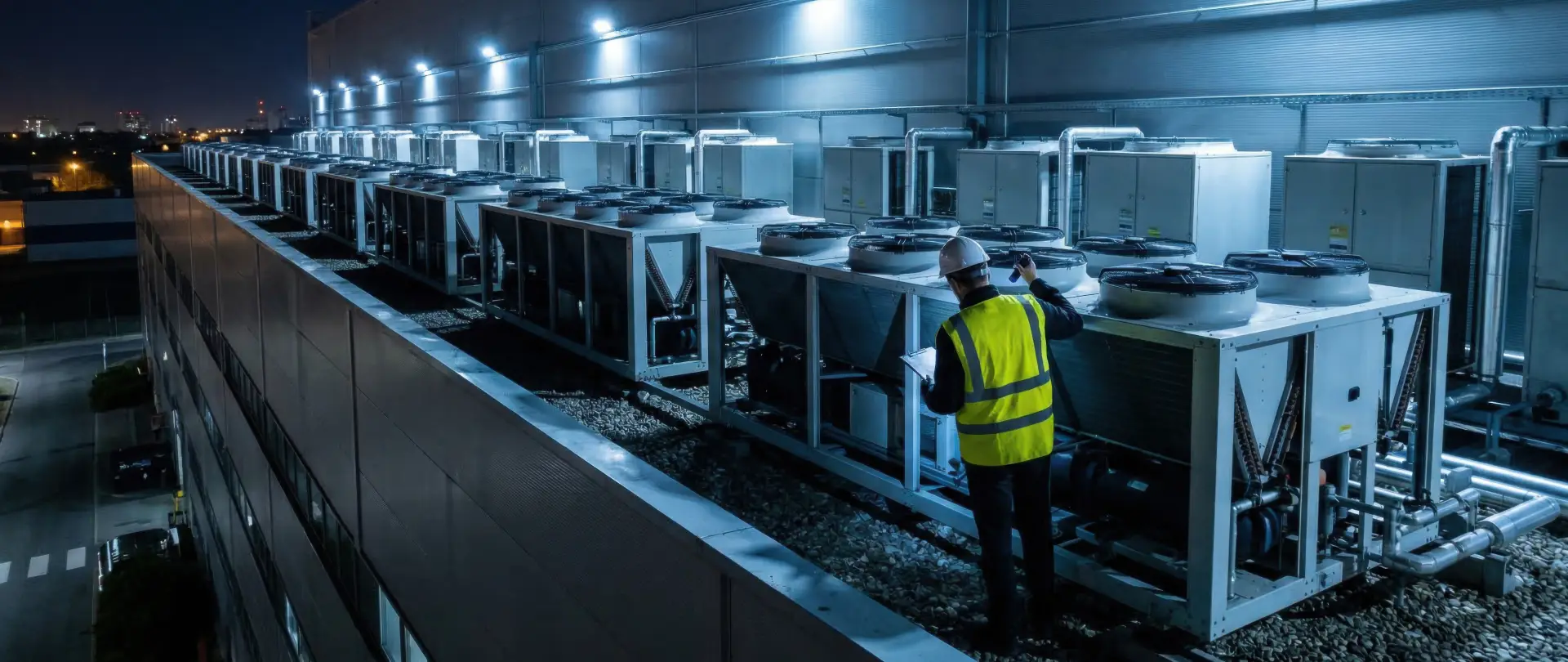
Summer places significant demand on HVAC equipment. Review system performance, inspect filters, verify temperature control, and ensure preventive maintenance schedules are up to date.
A well-maintained HVAC system can help improve occupant comfort, reduce energy consumption, and minimize the risk of unexpected failures during peak demand periods.
Roofing and Drainage Systems
Heavy rainstorms can quickly reveal weaknesses in roofing systems and drainage infrastructure. Roof inspections should focus on ponding water, damaged flashing, clogged drains, and signs of leaks or deterioration.
Addressing these issues early can help prevent water damage, costly repairs, and disruptions to facility operations.
Building Envelope
Doors, windows, seals, and exterior walls should be evaluated for signs of wear or water intrusion. Even small gaps can impact energy efficiency and allow moisture to enter the building.
Emergency Preparedness
Seasonal storms are unpredictable. Ensure emergency procedures, backup power systems, and communication plans are current and ready to support operations if severe weather occurs.
The Value of Preventive Maintenance
The best time to address a problem is before it becomes an emergency.
A proactive maintenance strategy helps facilities:
- Reduce unplanned downtime
- Extend equipment life
- Improve energy efficiency
- Enhance occupant comfort
- Support business continuity
- Lower long-term operating costs
As weather conditions continue to challenge facilities across the country, preventive maintenance remains one of the smartest investments a building owner or facility manager can make.
Don’t Wait for a Failure to Take Action
Summer isn’t over yet, and the hottest weeks of the year may still be ahead.
Whether you’re managing a commercial office, healthcare facility, industrial site, educational campus, or mixed-use property, now is the perfect time to evaluate your building’s readiness for the remainder of the season.
A mid-summer facility check can uncover risks, improve performance, and help ensure your building continues operating safely and efficiently when occupants depend on it most.
Don’t Let Deferred Maintenance Become an Emergency
Every season puts new demands on your facility, but waiting until equipment fails can lead to costly repairs, business disruption, and unhappy occupants.
GSH helps organizations stay ahead of issues with comprehensive preventive maintenance, engineering support, and integrated facilities management solutions designed to maximize uptime and building performance.
Whether you’re managing a single facility or a nationwide portfolio, our team can help identify risks, improve reliability, and keep your operations running smoothly through every season.
Schedule a facility assessment with GSH today and discover how proactive maintenance can save money, reduce downtime, and protect the assets that matter most.