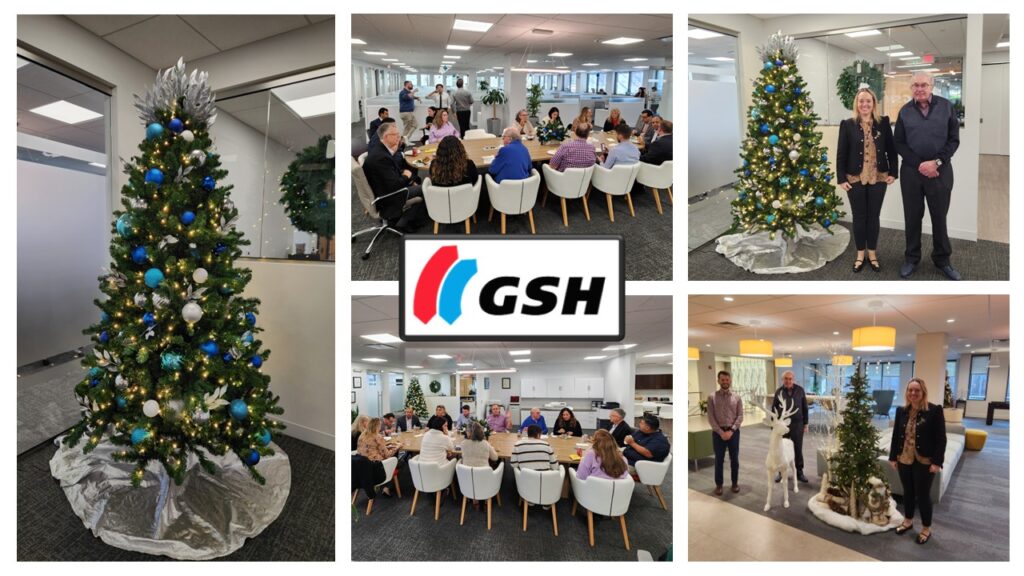
GSH welcomes special guests to its Global Headquarters in New Jersey for a festive holiday luncheon with the corporate team. The gathering creates an opportunity for meaningful conversation, shared stories, and strengthened partnerships in a warm, seasonal setting.
The afternoon reflects GSH’s commitment to fostering strong relationships built on collaboration, trust, and connection. We extend a sincere thank you to the Halls for spending time with us and sharing in a truly welcoming visit during the holiday season.
Moments like these highlight the importance of coming together beyond day‑to‑day operations to celebrate partnership and community.
GSH Maintenance Team Overhauls Critical AHU Vibration Springs
Deep beneath the laboratories and animal facilities of the National Institutes of Health in Baltimore, a dedicated crew keeps the air flowing reliably — day in, day out.
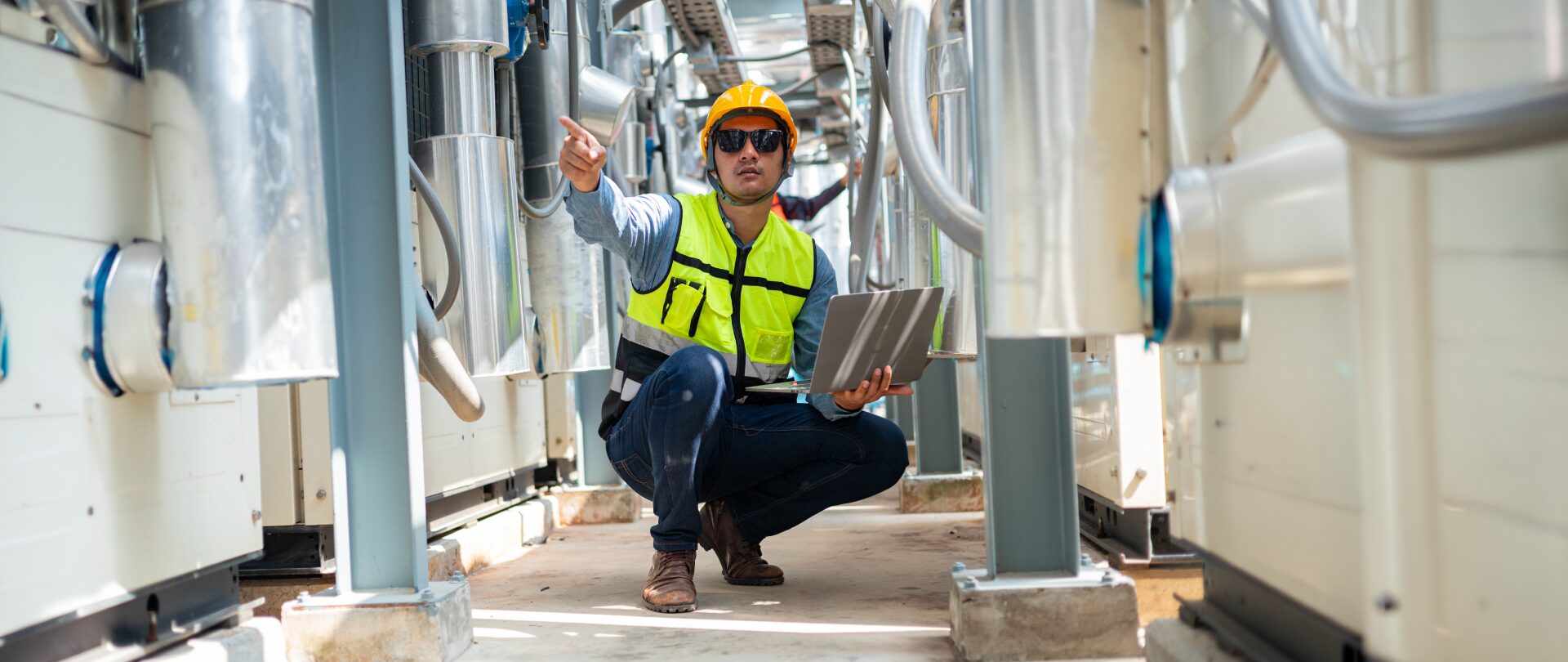
Right now, the GSH maintenance team is in the middle of a major project: replacing the massive vibration-isolation springs on air handling units that serve the NIA and NIDA vivariums. These are no ordinary AHUs. Each one pulls 100% outside air, cools it across chilled-water coils, and delivers over 30,000 CFM to sensitive animal holding rooms and research labs.
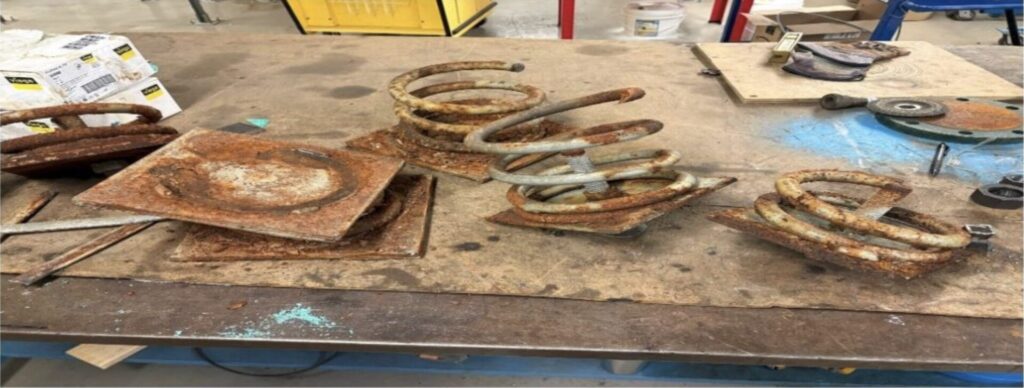
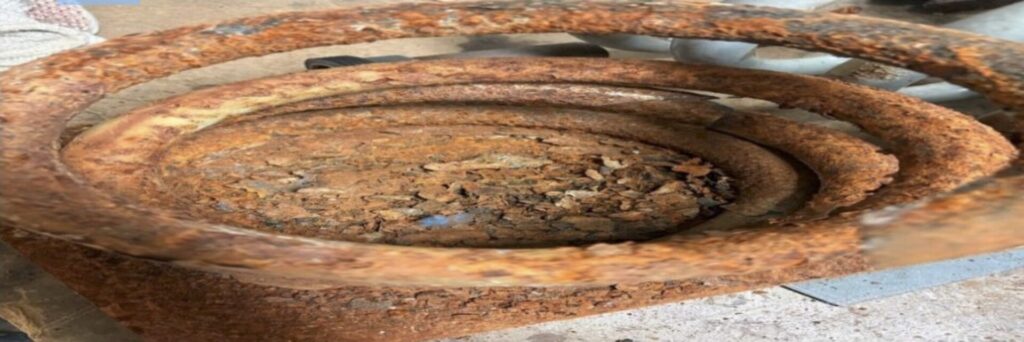
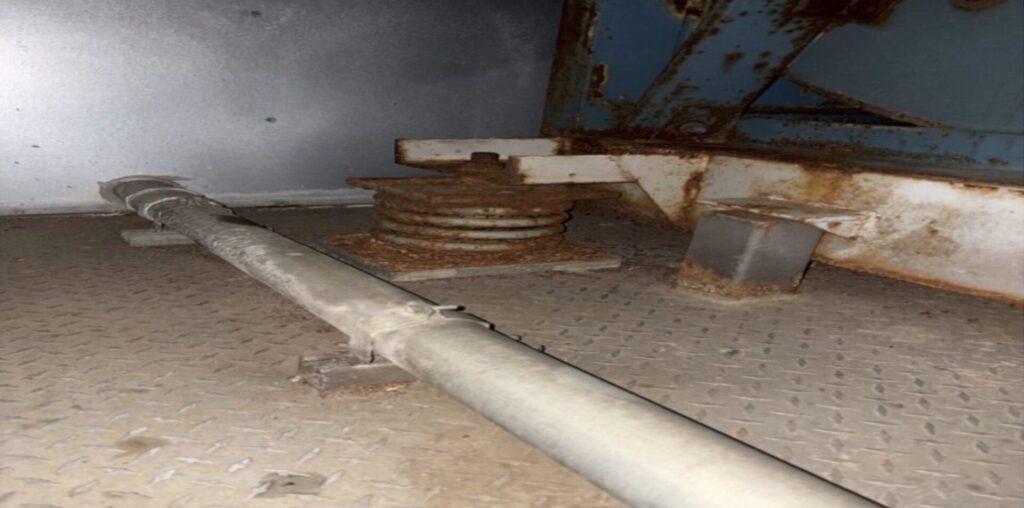
At the heart of each unit sits a single 125 hp motor driving a Twin City fan — a combined assembly weighing almost 6 tons. The only thing keeping that mass from shaking the building apart? Four heavy-duty coil springs that had been on duty for nearly 20 years. After two decades of humid Baltimore summers, condensate dripping from the cooling coils had migrated into the motor compartments. The result: springs that looked more like rust fossils than precision components.
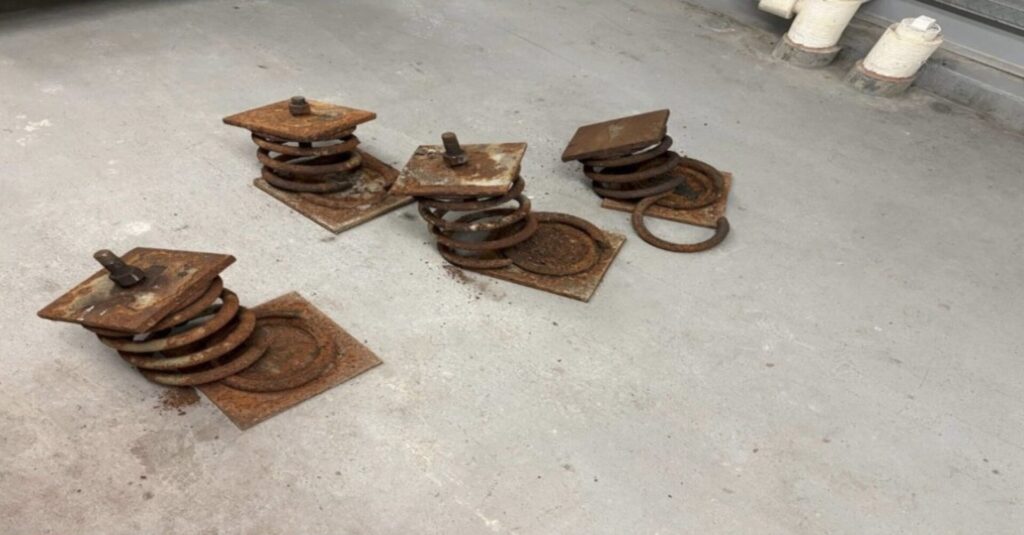
Decades of condensate exposure turned solid steel into rust; almost no original metal remains – just rust flakes.
The GSH team, often working in the tightest spaces, has been tackling these units one by one.
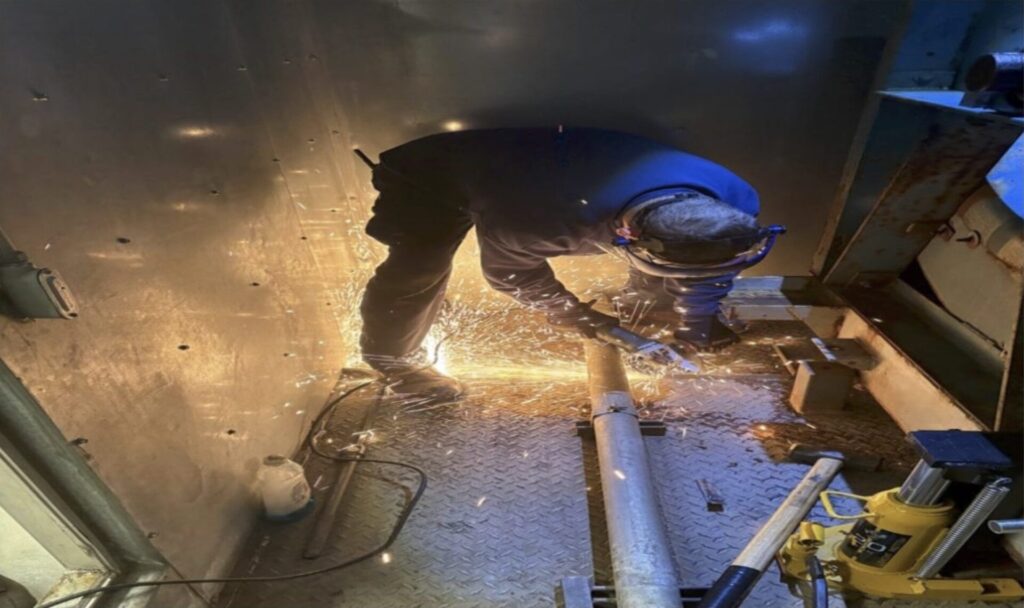
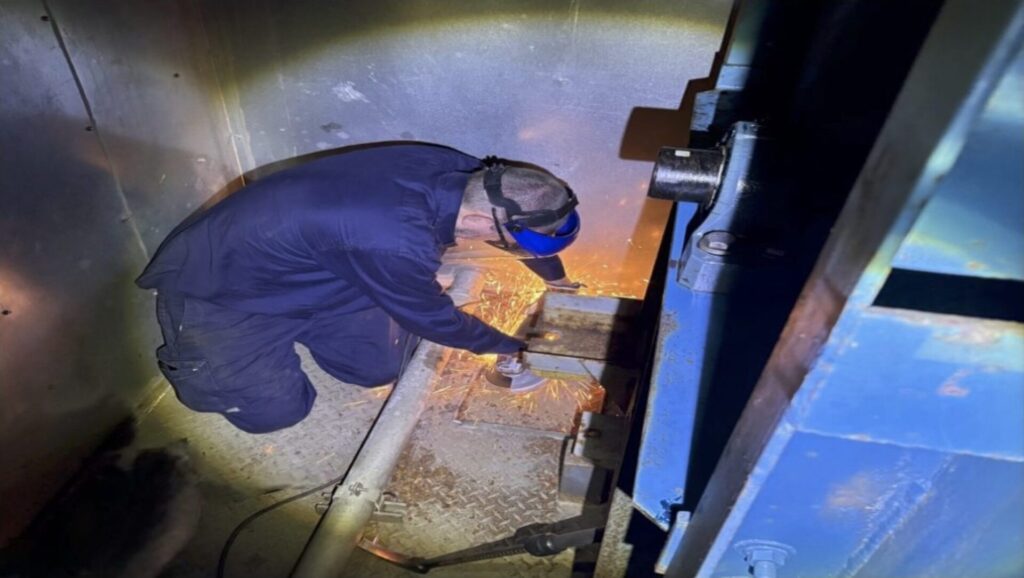
Phil Heim, Assistant Chief Engineer, cutting free rust-locked components.
Removing the springs for a 6-ton motor/fan assembly in a cramped air handling unit requires rigging, jacks, grinding, torches, and decades of collective experience.
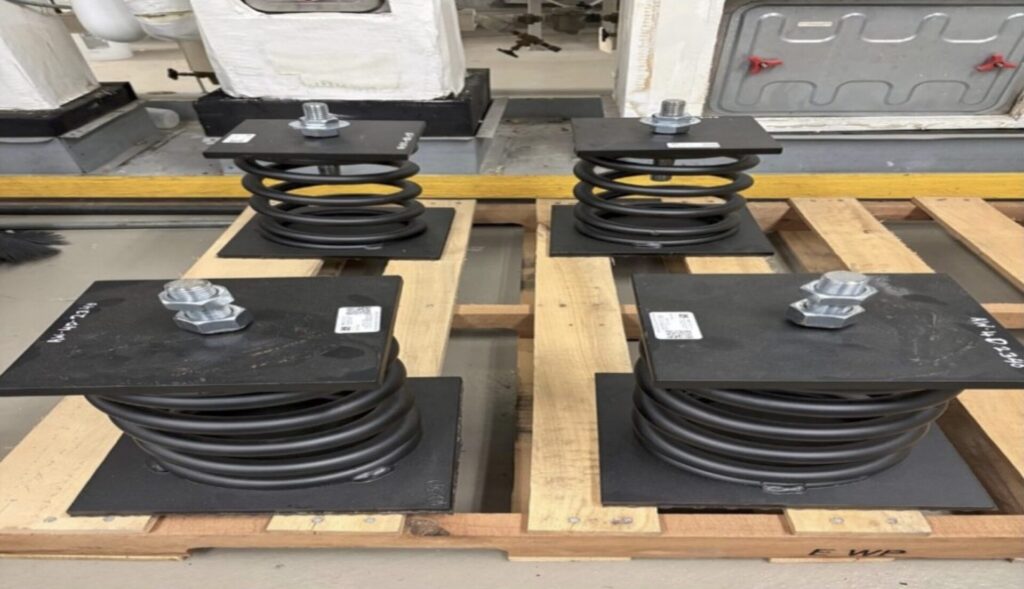
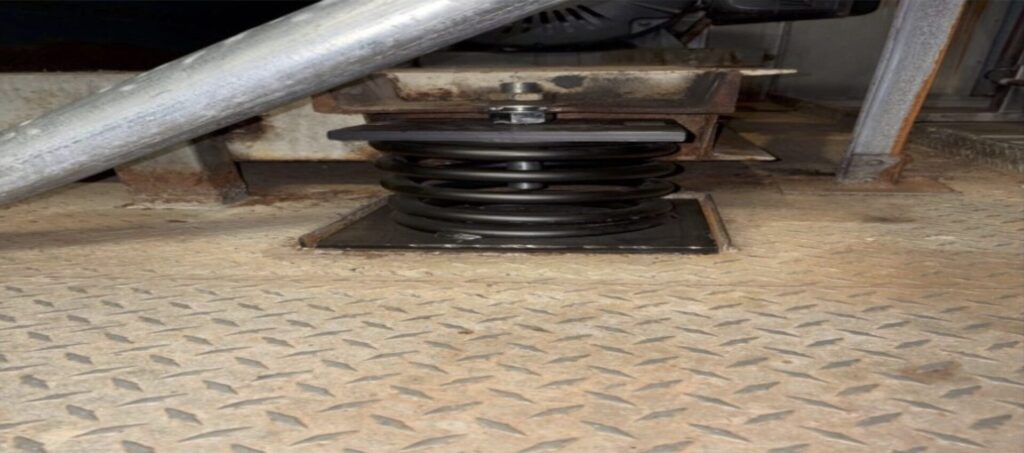
Some springs literally crumbled upon removal. Replaced with springs fresh, powder-coated, and ready for the next 20+ years.
Before: on the edge of failure.After: smooth, quiet, and built to last.
The project remains ongoing, with three additional Air Handling Units still scheduled for the same treatment. That means more heavy lifts and sparks in the dark—all to ensure research animals and vivarium staff remain comfortable. Meanwhile, keeping the laboratories operating so they never miss a breath of perfectly conditioned air. The next time everything in a critical NIH facility simply works, remember the GSH maintenance team. Nonetheless, the professionals who wrestle rust, gravity, and six‑ton assemblies so vital science continues without interruption.
We use cookies on our website to give you the most relevant experience by remembering your preferences and repeat visits. By clicking “Accept”, you consent to the use of ALL the cookies.
This website uses cookies to improve your experience while you navigate through the website. Out of these, the cookies that are categorized as necessary are stored on your browser as they are essential for the working of basic functionalities of the website. We also use third-party cookies that help us analyze and understand how you use this website. These cookies will be stored in your browser only with your consent. You also have the option to opt-out of these cookies. But opting out of some of these cookies may affect your browsing experience.
When you visit or log in to our website, cookies and similar technologies may be used by our online data partners or vendors to associate these activities with other personal information they or others have about you, including by association with your email. We (or service providers on our behalf) may then send communications and marketing to these email addresses. You may opt out of receiving this advertising by visiting https://app.retention.com/optout. You also have the option to opt out of the collection of your personal data in compliance with GDPR by visiting https://www.rb2b.com/rb2b-gdpr-opt-out.
Necessary cookies are absolutely essential for the website to function properly. This category only includes cookies that ensures basic functionalities and security features of the website. These cookies do not store any personal information.
Any cookies that may not be particularly necessary for the website to function and is used specifically to collect user personal data via analytics, ads, other embedded contents are termed as non-necessary cookies. It is mandatory to procure user consent prior to running these cookies on your website.